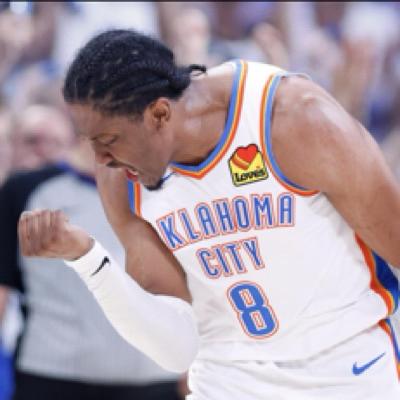
Sam Presti’s Burner
ACQUIRES
2027 Round 1
via Nighthawk2334
Matticus808 gets an early-origin 2027 first-round pick with a base value of 40, giving them a legitimate chance to add a young dynasty asset with long-term upside. The one-year discount cuts into that value, and surrendering Rui Hachimura plus a second-round pick makes this a costly gamble on an unproven prospect.
Shane Gillis Alexander
ACQUIRES
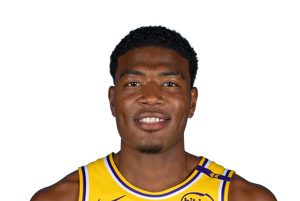
Rui Hachimura
 PF · LAL
Nighthawk2334 adds Rui Hachimura, whose 61.7 production percentile gives them an established NBA forward with useful fantasy production. Hachimura offers immediate roster value without waiting for a rookie to develop, although his long-term dynasty ceiling depends on maintaining a consistent role and producing beyond his current level.
2027 Round 2
via matticus808
Nighthawk2334 also receives a late-origin 2027 second-round pick carrying a base value of 18 before the one-year discount. The pick offers another opportunity to find a developing player or acquire future trade value, making it a useful addition alongside Hachimura despite the uncertainty surrounding second-round prospects.
Nighthawk2334 wins this trade with an A+ by turning one discounted 2027 first-round pick into a proven 61.7-percentile producer and another draft asset, leaving matticus808 with a D and too much risk tied to one future selection.
The Deal
matticus808, running Sam Presti's Burner, sends Rui Hachimura and a 2027 second-round pick to Nighthawk2334's Shane Gillis Alexander in exchange for Nighthawk2334's 2027 first-round pick. On the surface, there's a reasonable argument for both sides. Matticus808 gets a premium draft asset and Nighthawk2334 adds an established NBA power forward while moving down one round in the 2027 draft. The problem is the price, and specifically how much value matticus808 sacrifices to make this deal happen. With the 2026 season still in progress and the available standings data insufficient to establish where either franchise sits competitively, the evaluation comes down to the assets themselves, their potential value, and the risk each manager accepts. And when you start looking at what each side actually accomplished, the difference is pretty significant.
Who paid the real cost, and who changed the market?
matticus808's Side (D)
I understand the appeal of acquiring a first-round pick. Everybody likes having another opportunity to draft a player who could become a long-term piece. First-round selections give managers flexibility, whether they're actually using the pick or holding it as an asset for another trade. In a league where draft capital can shape a roster for multiple seasons, collecting first-rounders is a legitimate strategy.
But there's a difference between collecting assets and making a good trade to acquire them.
Matticus808 gives up Rui Hachimura, a rostered NBA power forward, along with a second-round pick to acquire that first. That's two assets leaving the roster for one coming back, and the one coming back cannot contribute to the team until the 2027 draft. This is where the decision starts getting difficult to defend.
Hachimura has established NBA experience and a defined position. That matters in fantasy basketball because having a usable player at power forward gives a manager an option they can evaluate against the rest of their roster. His specific fantasy production, availability, and current role would determine how valuable that option really is. Without those numbers, I'm not going to pretend he's some irreplaceable piece.
He's Rui Hachimura. We can be reasonable about what that means.
The problem for matticus808 is that the first-round pick has its own uncertainty. We don't know where Nighthawk2334's selection will land in 2027, and that is probably the single most important variable in this entire deal. An early first-round selection could make this move look considerably better. A late first would create a much tougher argument for giving up a rostered player and another pick.
And matticus808 doesn't control that outcome.
There's also the second-rounder, which I think gets dismissed too quickly in these conversations. Second-round picks carry less expected value than first-rounders, obviously. But they still provide opportunities to add talent, and they remain useful assets in future trades. Matticus808 sacrifices that flexibility as part of the exchange.
Consider the alternative. They could have kept Hachimura, held their second-round pick, and continued evaluating the market. That would preserve two separate assets and leave open the possibility of moving either one later. Instead, they consolidate both into a single future selection.
Now, consolidation can work. If matticus808 believes that first-round selection will land early, there is a plausible argument for accepting the risk. A strong draft result could eventually outweigh the loss of Hachimura and the second-rounder.
But the manager has to be comfortable with the possibility that it doesn't.
I also struggle with the timing. A 2027 pick offers future value, while Hachimura provides a roster option now. Without evidence that Sam Presti's Burner is deliberately building toward 2027, there's no clear reason to prioritize that future opportunity over the flexibility of retaining a player and a pick.
That's a lot of uncertainty to take on without a demonstrated advantage in return.
Grade: D. The first-round pick gives matticus808 a path to eventually winning the trade, but the price and uncertainty make this a poor decision today.
Nighthawk2334's Side (A+)
Nighthawk2334 makes the easier decision to defend.
Shane Gillis Alexander adds Rui Hachimura and a 2027 second-round pick while surrendering its 2027 first. There's a clear cost here. Giving away a first-round selection eliminates the chance to use that pick on a potentially valuable player, and the absence of a confirmed draft position means we cannot know how painful that loss might become.
That's the legitimate criticism of this trade.
But I like the way Nighthawk2334 structures the return.
They acquire an established NBA forward who can occupy a roster spot and contribute according to his role and fantasy production. They also recover a selection in the same draft, so they're still participating in the 2027 player pool.
That second part deserves attention.
The deal effectively moves Nighthawk2334 from the first round to the second round while adding Hachimura. The exact gap between those selections remains unknown, but the structure is appealing. Nighthawk2334 gets a usable player in exchange for dropping a round rather than surrendering every bit of their 2027 draft capital.
For a manager trying to improve their current roster, that makes sense.
There's also something to be said for acquiring an established player instead of depending entirely on a future prospect. Draft selections can turn into valuable pieces, but they can also disappoint. Every manager likes imagining the best player available when they think about their future first-round pick. Fewer seem interested in acknowledging the possibility that the eventual selection won't deliver what they expected.
Hachimura comes with his own questions. His fantasy value depends on minutes, production, health, and how he fits alongside the other players on Shane Gillis Alexander. Those details matter, and we cannot establish from the trade alone whether he fills a major weakness or simply adds another option.
Still, adding an NBA player with an established role offers something tangible.
I also appreciate the flexibility of retaining a draft pick. Nighthawk2334 can use the 2027 second-rounder to add a player or potentially include it in another transaction. It gives them another decision to make down the road, and managers should value that.
The biggest concern is whether Nighthawk2334's first-round selection ends up being especially valuable. If that pick lands near the top of the draft, the opportunity cost could be substantial. There's no responsible way to dismiss that possibility.
But that risk doesn't erase the logic of the exchange.
Nighthawk2334 identified a way to add present-day roster value while keeping a piece of their future draft flexibility. They accepted a meaningful risk, but the return has two distinct components and a clear use.
That's good roster management.
Grade: A+. Nighthawk2334 gets the stronger immediate return, adds another NBA contributor, and preserves a 2027 draft selection. Given the assets involved, I love the structure of this deal for them.
Final Take
Nighthawk2334 wins this trade decisively on the information available. Matticus808 acquires the asset with potentially the highest ceiling, but pays for it by surrendering Hachimura and a second-round selection, leaving the entire success of the deal dependent on a future draft outcome. Nighthawk2334 takes the opposite approach, adding a rostered power forward and retaining draft flexibility at the cost of moving down one round. The unknown position of the first-round pick prevents us from declaring what either manager will ultimately get out of this trade, and that distinction matters. But we're grading the decision today, and Nighthawk2334 has the much cleaner argument. Matticus808 is betting on a future result that may or may not justify the price. Nighthawk2334 walks away with two useful assets and a clearer path to roster improvement. That's an A+ against a D, and it's a pretty comfortable win for Shane Gillis Alexander.
Reported from 5 approved sources in the league record.
Ryen Russilloff
Lead Analyst
Roster construction, contender/rebuild analysis, structural deep dives
What this is built on
Every claim here is grounded in real league data. The receipts:
- SleeperSleeper trade transaction
- SleeperCurrent standings
- StatsPlayer season stats (2026)
- LoreFranchise lore
- ArticleRecent related coverage
See something wrong?
Every claim here is grounded in real data. If we got one wrong, tell us.